On this page
Key points
- A vegan diet avoids all animal foods, including meat, fish, dairy, eggs and honey.
- With good planning, the NHS says a vegan diet can give you all the nutrients you need.
- Vegans may need a vitamin B12 supplement, as plant sources are limited.
- Plan for iron, calcium, iodine, omega-3 and vitamin D, and make changes gradually.
Is a vegan diet good for you?
It can be. The NHS says that with good planning and an understanding of what makes up a healthy, balanced vegan diet, you can get all the nutrients your body needs. But cutting out animal products does not automatically make a diet healthy. A vegan diet based on processed food high in sugar, salt and fat will not bring the same benefits as one built around fruit, vegetables, wholegrains and pulses.
What does a vegan diet include?
The Vegan Society describes veganism as avoiding all animal foods, such as meat, fish and shellfish, dairy, eggs and honey. A vegan diet is based on fruit, vegetables, wholegrains, beans, lentils, nuts, seeds and plant-based alternatives such as tofu and fortified plant drinks.
What are the possible health benefits?
Much of the benefit of a well planned plant-based diet comes from fibre. The NHS says diets high in fibre are associated with a lower risk of heart disease, stroke, type 2 diabetes and bowel cancer, and fibre helps prevent constipation. Fruit, vegetables, wholegrains, beans and lentils are all good sources.
Cutting down on meat can help too. The NHS explains that eating too much red and processed meat probably increases your risk of bowel cancer. You do not need to go fully vegan to benefit: eating more plant-based meals is a good step for most people.
Which nutrients do vegans need to plan for?
The NHS guide to vegan diets highlights several nutrients that need extra thought.
Vitamin B12 keeps your blood and nervous system healthy. The NHS says sources for vegans are limited and a vitamin B12 supplement may be needed. Fortified foods such as some breakfast cereals, unsweetened soya drinks and yeast extract, such as Marmite and nutritional yeast flakes, can also help.
Iron is found in pulses, dark green leafy vegetables, nuts, dried fruit and breakfast cereals fortified with iron. The NHS notes that iron from plant foods is absorbed less well than iron from meat, so it helps to eat foods containing vitamin C at the same meal.
For calcium, which keeps bones and teeth strong, the NHS suggests green leafy vegetables such as broccoli, cabbage and okra, but not spinach, along with fortified unsweetened soya, pea and oat drinks, calcium-set tofu, and sesame seeds and tahini.
For omega-3 fats, vegan sources include ground linseed (flaxseed) oil, vegetable (rapeseed) oil, chia seeds and walnuts. The NHS also says vegans may want to consider supplements containing nutrients such as iodine and selenium as well as vitamin D, vitamin B12 and calcium.
Everyone in the UK should consider a vitamin D supplement during autumn and winter. The NHS advises reading the label to make sure the vitamin D used is not of animal origin.
Can you get enough protein on a vegan diet?
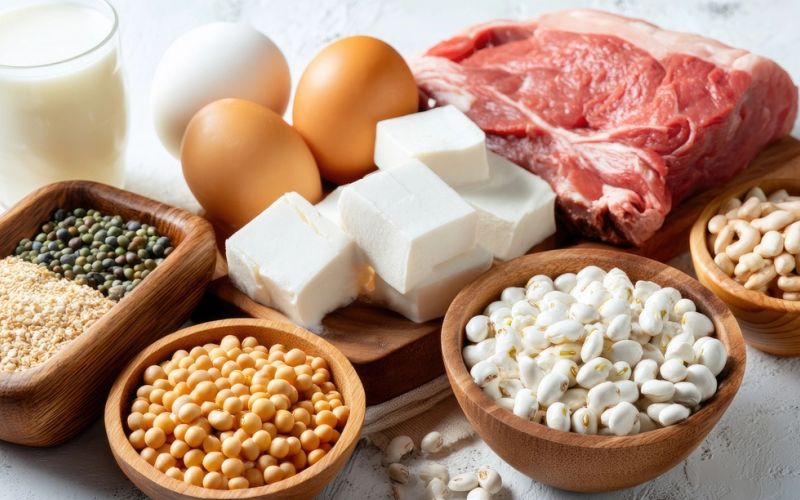
Yes. The British Nutrition Foundation says protein from a variety of plant foods, eaten during the day, supplies enough of the essential building blocks of protein your body needs. Beans, lentils, chickpeas, tofu, soya, nuts, seeds and wholegrains are all good sources. Read more in our guide to protein and high protein diets.
What are some easy vegan food swaps?
If you want to try eating more plant-based meals, simple swaps can help. Try lentils or soya mince instead of minced beef in a bolognese or chilli, a fortified unsweetened plant drink instead of cow's milk, chickpeas or tofu instead of chicken in a curry or stir fry, and hummus with roasted vegetables instead of a meat sandwich filling.
How should you start?
Change gradually. The NHS advises increasing fibre gradually and drinking plenty of fluids, which can help your gut adjust. If you are pregnant or breastfeeding, the NHS says you will need to make sure you get enough vitamins and minerals for your baby to develop healthily. If you are planning a vegan diet for a child, or you have a health condition, speak to your GP or a registered dietitian first.
Common questions
Do vegans need to take supplements?
The NHS says vegans may need a vitamin B12 supplement, as plant sources are limited. Everyone should consider vitamin D in autumn and winter, and some vegans may also benefit from iodine, selenium or calcium. A pharmacist or dietitian can advise you.
Is a vegan diet suitable for children?
It can be, but it needs careful planning to make sure children get enough energy, protein, vitamins and minerals to grow. Speak to your GP, health visitor or a registered dietitian before starting.
Can I lose weight on a vegan diet?
Some people do, because many plant foods are high in fibre and filling. But vegan foods can still be high in sugar, fat and salt. Weight depends on your overall diet and activity, not only on cutting out animal products.
Sources
- The vegan diet. NHS.
- Definition of veganism. The Vegan Society.
- How to get more fibre into your diet. NHS.
- Meat in your diet. NHS.
- Protein. British Nutrition Foundation.
- Constipation. NHS.