On this page
Key points
- Most adults need about 6 to 8 cups or glasses of fluid a day, and more in hot weather.
- Water, milk, tea, coffee and sugar-free drinks all count. Keep fruit juice to 150ml a day.
- About a fifth of the fluid we get comes from food, especially fruit and vegetables.
- Signs of dehydration include thirst, dark yellow pee, dizziness and tiredness.
Why does hydration matter?
Water makes up a large part of your body, and you lose it all the time through sweating, breathing and going to the toilet. Fluids help control your temperature, carry nutrients around your body, support digestion and help your kidneys remove waste. Even mild dehydration can leave you feeling tired, light-headed and struggling to concentrate.
How much should you drink?
The British Nutrition Foundation says we need about 6 to 8 cups or glasses of fluid a day. You will need more in hot weather, when you are active, or if you are unwell with a fever, vomiting or diarrhoea. The best approach is to drink regularly through the day rather than waiting until you feel very thirsty.
Which drinks count?
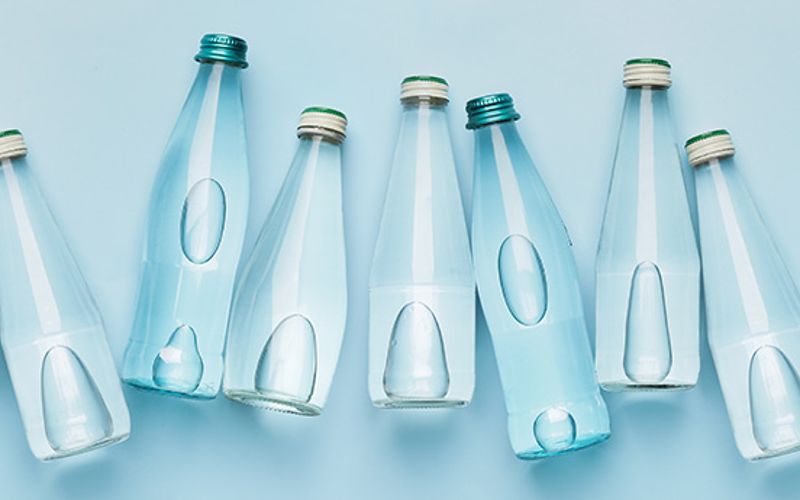
Water is the best choice, as it hydrates you without adding sugar or calories. But other drinks count too. The British Nutrition Foundation says milk, tea and coffee, and sugar-free or diet drinks all contribute to your daily fluid.
Fruit juices and smoothies count, but they are high in free sugars, so it recommends keeping them to one small glass of 150ml a day. Sugary soft drinks add sugar without much benefit, so they are best kept as an occasional treat. Alcohol can make dehydration worse, especially in hot weather.
Can food help keep you hydrated?
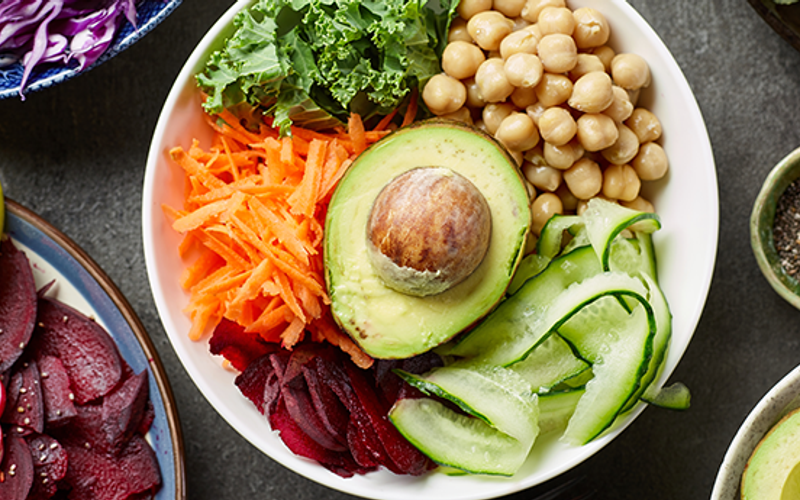
Yes. The British Nutrition Foundation says about 20% of the fluid we take in comes from food. Fruit and vegetables are often more than 80% water, and soups and stews also contribute. Cucumber, lettuce, tomatoes, celery, melon, strawberries and oranges are all good choices in warm weather, and they bring fibre and vitamins too.
What are the signs of dehydration?
The NHS lists symptoms of dehydration including feeling thirsty, dark yellow, strong-smelling pee, feeling dizzy or light-headed, feeling tired, a dry mouth, lips and tongue, and peeing less often than usual.
The NHS says you should drink enough during the day so that your pee is a pale colour. If you notice signs of dehydration, start with small sips and drink more gradually. A pharmacist can recommend oral rehydration solutions if you have been unwell.
Who is most at risk?
The NHS says babies, children and older adults are more at risk of dehydration, as are people with diabetes. You are also more likely to become dehydrated if you have been sick or had diarrhoea, have a high temperature, have been in the sun or a hot place for too long, or sweat a lot during exercise. Older people may not feel as thirsty, so it helps to offer drinks regularly, especially in hot weather.
When should you get help?
Contact NHS 111 if symptoms of dehydration do not improve or you are worried. Call 999 or go to A and E if someone has signs of severe dehydration, such as confusion, pale or blotchy skin, cold skin or difficulty breathing. Our guide to sun safety explains how to stay well in hot weather.
Common questions
How much water should I drink a day?
The British Nutrition Foundation says most adults need about 6 to 8 cups or glasses of fluid a day, and more in hot weather or when active. Water, milk, tea, coffee and sugar-free drinks all count.
Do tea and coffee count towards hydration?
Yes. Tea and coffee count towards your daily fluid intake. Water is still the best choice, as it contains no sugar or calories.
What are the first signs of dehydration?
Early signs include feeling thirsty, dark yellow and strong-smelling pee, a dry mouth, tiredness and feeling dizzy. Drink small sips regularly to rehydrate.
Sources
- Hydration. British Nutrition Foundation.
- Dehydration. NHS.