
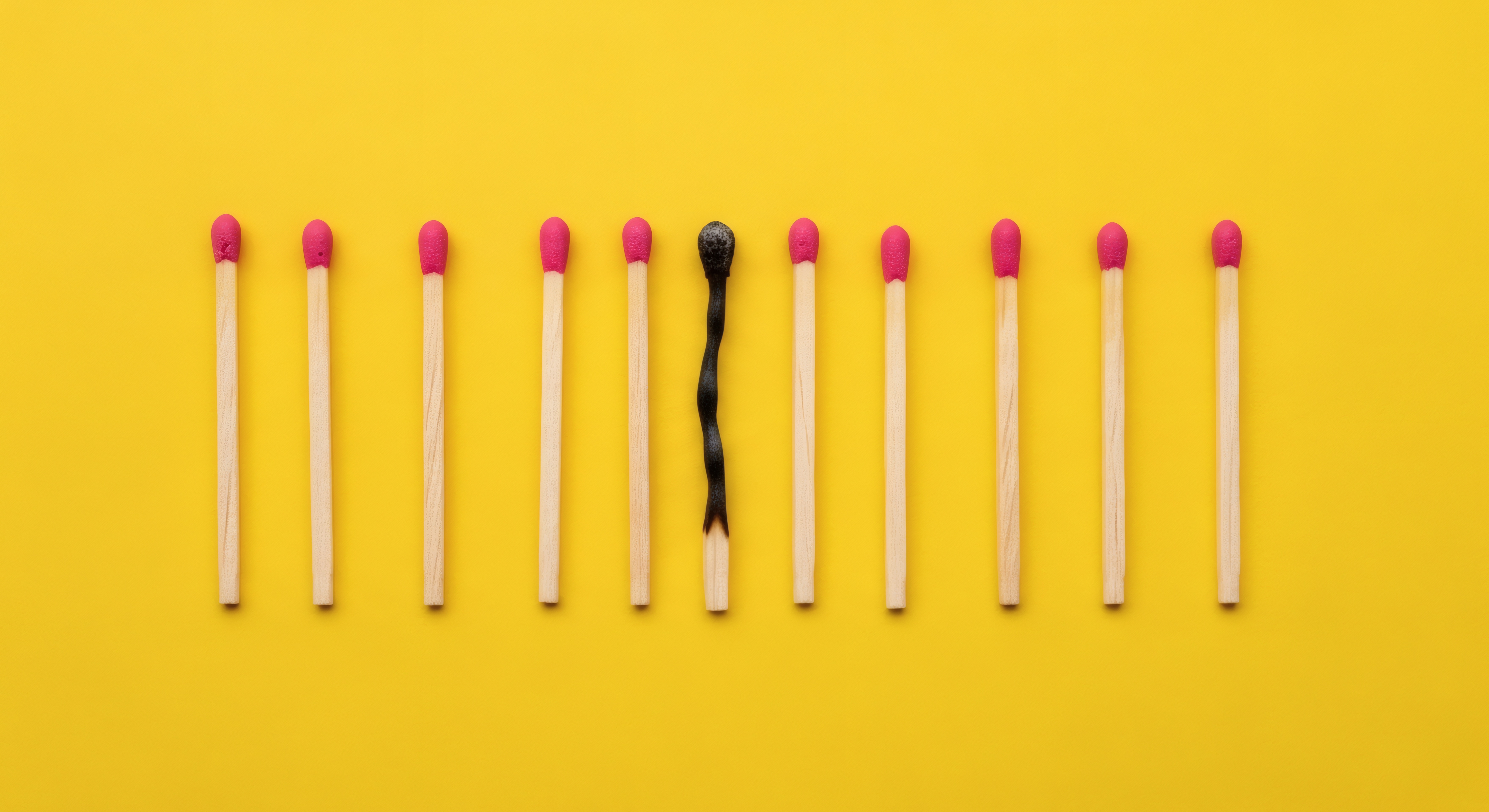
Most of us only notice how much pressure we are under once it starts affecting our day-to-day. While it’s completely normal to feel stressed from time to time, chronic or excessive stress over a longer period of time can tip into burnout. Despite how common it is, burnout is still widely misunderstood and often carries an unnecessary stigma.
In this blog, we explore what burnout really is, the difference between stress and burnout, and the warning signs to look out for. We also share practical ways to manage symptoms and guidance on where to find professional support.
What is burnout?
Burnout is a term used to describe a state of physical, mental and emotional exhaustion. While it’s not classified as a medical or mental health condition, experiencing burnout can contribute to our mental health. It can often occur when you experience long-term stress or feel under constant pressure.
Burnout is often related to workplace stress; however, it can arise from any area of life. Ongoing responsibilities, whether you are supporting family, raising children, studying, or juggling multiple commitments, can all play a part.
Burnout statistics in the UK
Mental Health UK’s 2025 Burnout Report showed that burnout is affecting people across all age groups. Adults aged 35 to 44 were still the most likely to report high stress levels over the past year. The report also found:
Research from MHFA England in 2024 painted a similar picture. One in four UK workers said they felt unable to cope with stress at work. They also found that burnout symptoms had become increasingly common, with around 6% of employees showing signs of burnout, which was a significant rise from the figures recorded two years earlier of 51%.
What’s the difference between stress and burnout
Burnout usually develops after a long stretch of unmanaged stress. Although the two are linked, stress and burnout feel very different and come with their own symptoms.
Symptoms of stress
Stress often shows up when you are juggling a lot at once. It pushes your body and mind beyond their usual limits and can feel intense and overwhelming. Common signs include:
Symptoms of burnout
Burnout is a deeper and more persistent state that develops over time. It is marked by emotional exhaustion, reduced motivation, and a sense of detachment. Common signs include:
How to prevent burnout
Burnout can leave you feeling overwhelmed or stuck, although there are effective ways to support both recovery and long-term prevention. The NHS recommends the ‘Three R’ approach, a simple framework that encourages small, practical steps you can build into everyday life:
- Recognise – Watch for the warning signs of burnout
- Reverse – Undo the damage by seeking support and managing stress.
- Resilience – Build your resilience to stress by taking care of your physical and emotional health
There are many helpful strategies that support the management and prevention, depending on the source of your burnout. Including:
- Structure your day with realistic tasks and clear priorities
- Take regular breaks to avoid mental overload
- Set boundaries around your workload and availability
- Manage your time with simple planning habits
- Look after your physical health through exercise, balanced nutrition and reduced alcohol and smoking
- Make time for self-care, which might include rest, creative hobbies, gentle movement, or spending time with friends or family
- Try activities like meditation, journalling or mindfulness to help you decompress
Seeking professional support
If you’re worried about yourself or someone else, several trusted organisations can offer guidance and support with burnout or more serious concerns. Reaching out is the first step, and you aren’t expected to handle everything alone.
- Mind UK: You can call the Mind Infoline on 0300 123 3393 or email [email protected].
- CALM: If you’re experiencing suicidal thoughts or feel you are at risk of harm, call the CALM helpline on 0800 58 58 58.
- Shout: You can text ‘SHOUT’ to 85258 for free, 24/7 crisis support.
If you need guidance on where to begin, these organisations can help you understand your options and direct you to the right type of support.
Bringing your wellbeing back into focus
Burnout can feel all-consuming, but it is something you can recover from with the right support, habits and boundaries. Noticing the early signs, understanding what is driving your stress and making small, consistent changes can make a real difference to how you feel day to day.
Recovery looks different for everyone. What tends to help is taking a step back, reassessing what you need and making adjustments that feel realistic. If things begin to feel unmanageable, pausing and speaking to someone you trust, or a professional service, can give you the clarity to move forward steadily.